UK
People are just discovering one traditional UK food that's banned in the US

By Twisted
09 Feb 2026
2m

America has done many confusing things in the name of food. Spray cheese. Corn syrup in bread. A burger that costs a large chunk of your month’s rent.
But it seems that it draws the line at people consuming one UK classic...
A traditional Scottish dish – one that’s been eaten without incident for centuries – has found itself quietly banned across the United States.
The ban has been in place for a while, but a lot of people are just finding out about it after the Scottish celebration of Burns Night.

In fact, the rules responsible have been around since the 1970s, when US food regulators decided that one particular animal ingredient posed too much of a risk to public health.
The logic was that this part of the animal could retain fluid during slaughter, making it unsafe for consumption. Once that ruling was in place, anything containing it was effectively struck off the menu.
The ban didn’t just affect one recipe, either. It wiped out an entire cultural staple...a dish rooted in history, celebration and national identity. Something traditionally served on special occasions, paired with comforting sides and usually washed down with whisky.
A food that locals defend fiercely, even as outsiders pull faces and ask too many questions.
Have you guessed it yet? Yep, the dish in question is haggis.
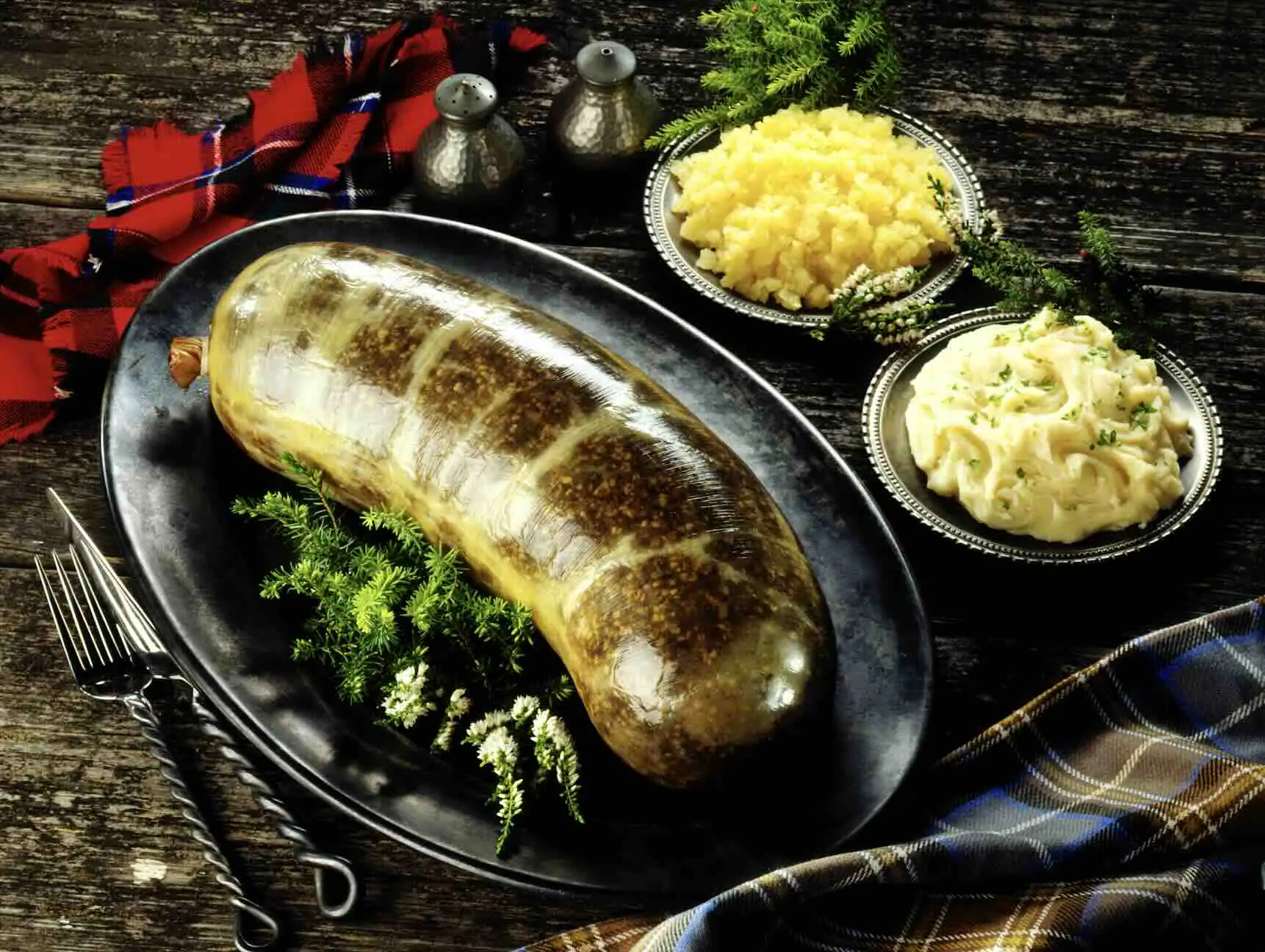
Scotland’s most infamous export is made from minced sheep heart, liver and, crucially, lungs, blended with oatmeal, spices and onions before being cooked inside the animal’s stomach. It sounds dramatic, looks intense, and has somehow sustained a nation for generations.
But in the US, those lungs make it illegal, meaning traditional haggis cannot be imported or sold in its authentic form.
You can still find Americanised versions that quietly remove the offending ingredient, but the real thing remains banned.
Which means that while Scots continue to eat it proudly every Burns Night, Americans are left on the outside looking in, wondering how a dish older than the country itself ended up being deemed too dangerous to touch.