features
The foods doing the most damage to your gut health, according to experts

By Twisted
23 Feb 2026
2m

Gut health isn’t just a wellness buzzword anymore. Scientists are learning more each year about how the gut microbiome influences everything from digestion to immunity, and even mental health.
As research evolves, so does the advice around what we should and shouldn’t be eating.
We’ve been told to aim for 30 different plant foods a week.
The Mediterranean “blue zone” way of eating is often linked to longevity. And fibre has become the unsung hero of the modern diet.
.jpg_xNZ9RN?tr=f-WEBP%2Cq-70%2Ccr-0.76.724.483%2Crt-0)
Nutritional scientist Toral Shah explains that our gut microbiome helps break down food, absorb nutrients and protect us from harmful pathogens. It plays a role in digestion, immune response, IBS, liver health and even obesity.
In short, it’s doing a lot more than we give it credit for.
The tricky bit? No two guts are the same. What works for one person may not work for another. That said, experts agree there are some foods we should be mindful of if we want to keep our gut bacteria happy.
Here are five that often make the “go easy” list...
Deep-fried foods

Foods cooked in lots of oil tend to be high in saturated and trans fats. These can be harder to digest and may negatively affect your gut bacteria. If you still want the crunch, try baking, air-frying or stir-frying instead. You’ll use less fat and your gut will thank you for it.
Artificial sweeteners

Switching to sweeteners might sound like the easy fix, but the science isn’t clear. Some studies suggest they may alter the gut microbiome, while others show minimal impact. More research is needed, though all approved sweeteners in the UK are considered safe.
Ultra-processed foods (UPFs)
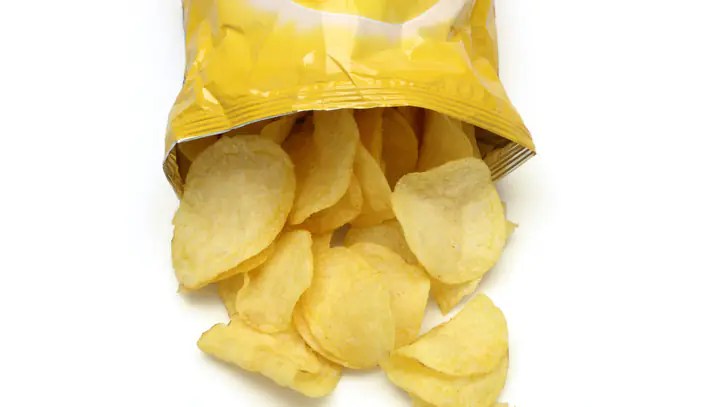
UPFs are typically made with flavour enhancers, emulsifiers and additives.
Think sausages, sugary cereals, packaged snacks and ice cream. They’re usually high in calories and low in nutrients. Recent research has linked high consumption of UPFs to a wide range of health issues, with their impact on the gut microbiome thought to be a key reason.
That doesn’t mean you need to swear them off forever. Many experts suggest the 80/20 rule. Eat well 80% of the time and leave room for the foods you love.
Alcohol

Alcohol can disrupt the balance of bacteria in the gut and irritate the stomach lining, especially in excess.
Sticking within the recommended 14 units per week is key. Interestingly, some research suggests moderate red wine consumption may be linked to greater gut microbiota diversity.
High-sugar foods

Biscuits, cakes and sweets are obvious culprits, but sugar also hides in sauces, yoghurts, soups and fruit juices.
Too much refined sugar can cause inflammation in the gut and disrupt the balance of good bacteria. The NHS recommends adults consume no more than 30g of free sugars a day.
At the end of the day, gut health isn’t about perfection. It’s about balance.
Feed your microbiome a variety of plants, keep ultra-processed foods in check and enjoy your favourites in moderation.
Your gut does a lot for you. It’s worth returning the favour.
T&Cs for DELLI x Twisted Giveaway
2025 Sept 04


Twisted x Wilderness Giveaway Terms & Conditions
2025 Aug 17
.jpg_dU0O4c?tr=w-2560,f-webp,q-70)